Genetic Modification / Genetic modification - Most current gm crops grown in the u.s.. Genetic modification involves changing an organism's genome by adding or silencing genes. Recently developed techniques for modifying genes are often called gene editing.. Production of gmos is a multistage process which can be summarized as follows: Genetic modification can allow scientists to produce plants and animals that have various traits that are. Gm crops were first introduced in the u.s.
Genetically modified organisms (gmos), including microbes, cells, plants and animals, have long been used in scientific and medical research as a way to understand processes in biology as well as the mechanisms of diseases. Genetic engineering is a method that, among other things, enables scientists to copy a gene with a desired trait in one organism and put it into another. The process of scientifically changing the genes of plants and animals in order to create forms of them that are less likely to get diseases, will grow faster, etc.: These chemicals not only contaminate our food and water supplies, but they also compromise soil quality and are actually associated with increased disease susceptibility in crops. A genetically modified organism (gmo) is an animal, plant, or microbe whose dna has been altered using genetic engineering techniques.
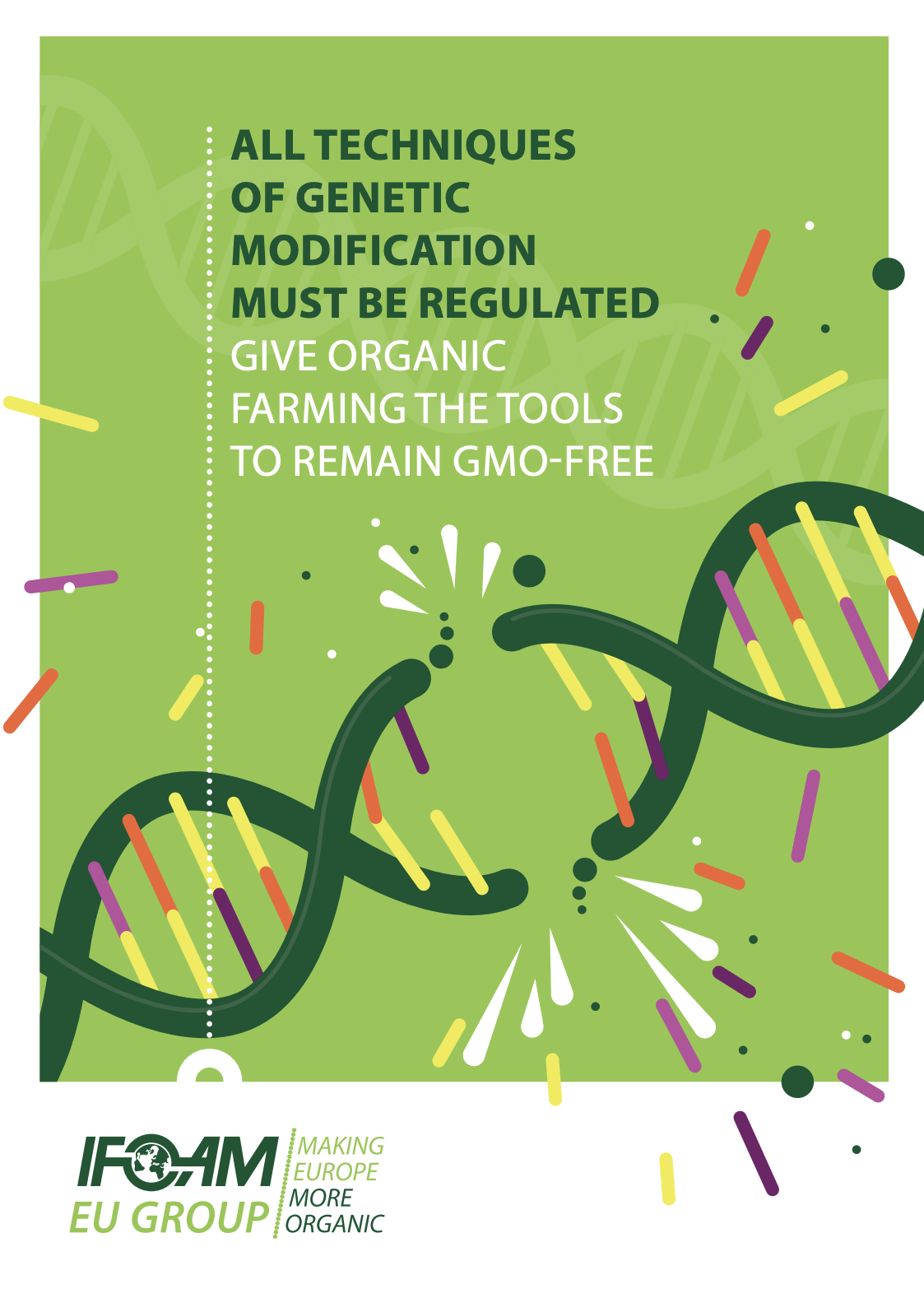
All techniques of genetic modification must be regulated ... from www.organicseurope.bio Genetic modification, also referred to as genetic engineering, refers to the process of changing the dna of a living organism with the aim of altering its characteristics. Most current gm crops grown in the u.s. For thousands of years, humans have used breeding methods to modify organisms. However, somatic mutation differs from germline mutation in that germline mutations are inherited, while somatic mutations are limited to the individual. The process of genetic modification. To produce a gm plant, new dna is transferred into plant cells. Production of gmos is a multistage process which can be summarized as follows: The process of scientifically changing the genes of plants and animals in order to create forms of them that are less likely to get diseases, will grow faster, etc.:
Genetically modified organisms (gmos), including microbes, cells, plants and animals, have long been used in scientific and medical research as a way to understand processes in biology as well as the mechanisms of diseases.
Somatic genetic modification and germline genetic modification.. Gm crops were first introduced in the u.s. Genetic modification has many apparent synonyms in the literature: Nhgri uses the term genome editing to describe techniques used to modify dna in the genome. Genetic modification involves changing an organism's genome by adding or silencing genes. Are engineered for insect resistance or herbicide tolerance. Genetically modified (gm) crops are associated with an increased use of chemicals, like glyphosate, that are toxic to the environment and to humans. Genetic engineering, sometimes called genetic modification, is the process of altering the dna? Unlike traditional breeding in animals and plants, genetic modification involves inserting a gene from one organism into another. Genetic engineering refers to the direct manipulation of dna to alter an organism's characteristics (phenotype) in a particular way. Production of gmos is a multistage process which can be summarized as follows: Genetic modification can be applied in two very different ways: Genetic modification (gm) technology allows the transfer of genes for specific traits between species using laboratory techniques.
Amplifying the gene to produce many copies; Human genetic modification is the direct manipulation of the genome using molecular engineering techniques. Isolation of the gene of interest; Genetic engineering is a method that, among other things, enables scientists to copy a gene with a desired trait in one organism and put it into another. Genetically modified (gm) crops are associated with an increased use of chemicals, like glyphosate, that are toxic to the environment and to humans.
What is the Difference Between Genetic Engineering and ... from pediaa.com Unlike traditional breeding in animals and plants, genetic modification involves inserting a gene from one organism into another. Human genetic modification is the direct manipulation of the genome using molecular engineering techniques. Genetically modified (gm) crops are associated with an increased use of chemicals, like glyphosate, that are toxic to the environment and to humans. Genetically modified organism (gmo), organism whose genome has been engineered in the laboratory in order to favour the expression of desired physiological traits or the generation of desired biological products. Most current gm crops grown in the u.s. Isolation of the gene of interest; Somatic genetic modification and germline genetic modification.. Genetic modification involves changing an organism's genome by adding or silencing genes.
A genetically modified organism (gmo) is an animal, plant, or microbe whose dna has been altered using genetic engineering techniques.
We can boost global food security, improve the nutritional value of food, use fewer pesticides and herbicides and develop new ways to fight disease. Unlike traditional breeding in animals and plants, genetic modification involves inserting a gene from one organism into another. Is a genetic alteration acquired by a cell that can be passed to the progeny of the mutated cell in the course of cell division. Genetically modified (gm) crops are associated with an increased use of chemicals, like glyphosate, that are toxic to the environment and to humans. Genetic modification can be applied in two very different ways: Genetic engineering, genetic enhancement, germline engineering, germline enhancement, germline therapy, germline manipulation, genome manipulation, and so forth. Genetic modification has many apparent synonyms in the literature: Somatic genetic modification and germline genetic modification. A genetically modified organism (gmo) is an animal, plant, or microbe whose dna has been altered using genetic engineering techniques. Nhgri uses the term genome editing to describe techniques used to modify dna in the genome. Production of gmos is a multistage process which can be summarized as follows: Most current gm crops grown in the u.s. Human genetic modification is the direct manipulation of the genome using molecular engineering techniques.
Production of gmos is a multistage process which can be summarized as follows: Igm would lead to treating children and all people like objects. The easiest method of plant genetic modification (see operational definitions in chapter 1), used by our nomadic ancestors and continuing today, is simple selection.that is, a genetically heterogeneous population of plants is inspected, and superior individuals—plants with the most desired traits, such as improved palatability and yield—are selected for continued. Nhgri uses the term genome editing to describe techniques used to modify dna in the genome. Somatic genetic modification and germline genetic modification.
US scientists urge ban on human genetic modification ... from www.aljazeera.com Arguments against inheritable genetic modification 1. Production of gmos is a multistage process which can be summarized as follows: For thousands of years, humans have used breeding methods to modify organisms. Isolation of the gene of interest; Amplifying the gene to produce many copies; Genetic engineering, sometimes called genetic modification, is the process of altering the dna? Recently developed techniques for modifying genes are often called gene editing.. Are engineered for insect resistance or herbicide tolerance.
The easiest method of plant genetic modification (see operational definitions in chapter 1), used by our nomadic ancestors and continuing today, is simple selection.that is, a genetically heterogeneous population of plants is inspected, and superior individuals—plants with the most desired traits, such as improved palatability and yield—are selected for continued.
The mutation affects all cells descended from the mutated cell. Is a genetic alteration acquired by a cell that can be passed to the progeny of the mutated cell in the course of cell division. Genetically modified (gm) crops are associated with an increased use of chemicals, like glyphosate, that are toxic to the environment and to humans. Genetic modification (gm, also called genetic engineering) involves taking a gene from one species and putting it into another species. Arguments against inheritable genetic modification 1. The process of scientifically changing the genes of plants and animals in order to create forms of them that are less likely to get diseases, will grow faster, etc.: Human genetic modification is the direct manipulation of the genome using molecular engineering techniques. Nhgri uses the term genome editing to describe techniques used to modify dna in the genome. This has been done indirectly for thousands of years by controlled, or selective, breeding of plants and animals. The process of genetic modification. Igm would lead to treating children and all people like objects. Unlike traditional breeding in animals and plants, genetic modification involves inserting a gene from one organism into another. Gm crops were first introduced in the u.s.